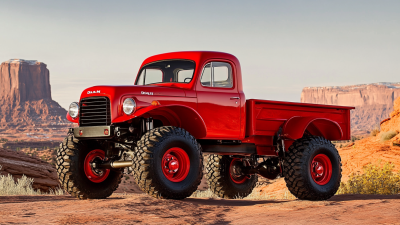
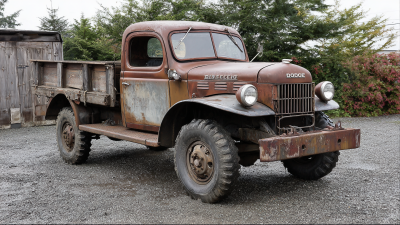
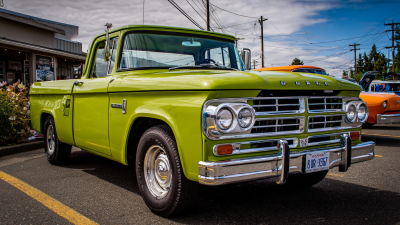
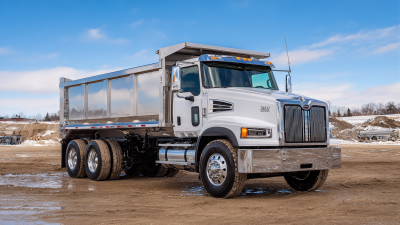
Bringing old-school vehicles back to life isn’t just about passion — it’s also a smart move in a pretty hot market lately. I’ve been hearing that the classic truck restoration scene is really booming right now, especially with folks hunting down Vintage Dodge Truck Parts to keep things authentic and top-notch. Over at DEYANG HONGKAI AUTO TRADING CO., LTD., out in Sichuan, China, we saw this coming and decided to shift gears a bit, moving from just local truck trading to really making our mark on the international scene. In 2023, we made some pretty exciting progress in overseas trade, especially when it comes to refurbished trucks, which felt like a huge win for us as we aim to offer quality parts and support to all the restoration fans out there. This little guide is meant to help those working on vintage Dodge trucks find genuine parts, so every build not only honors automotive history but also keeps up with the rising demand for classic vehicles.
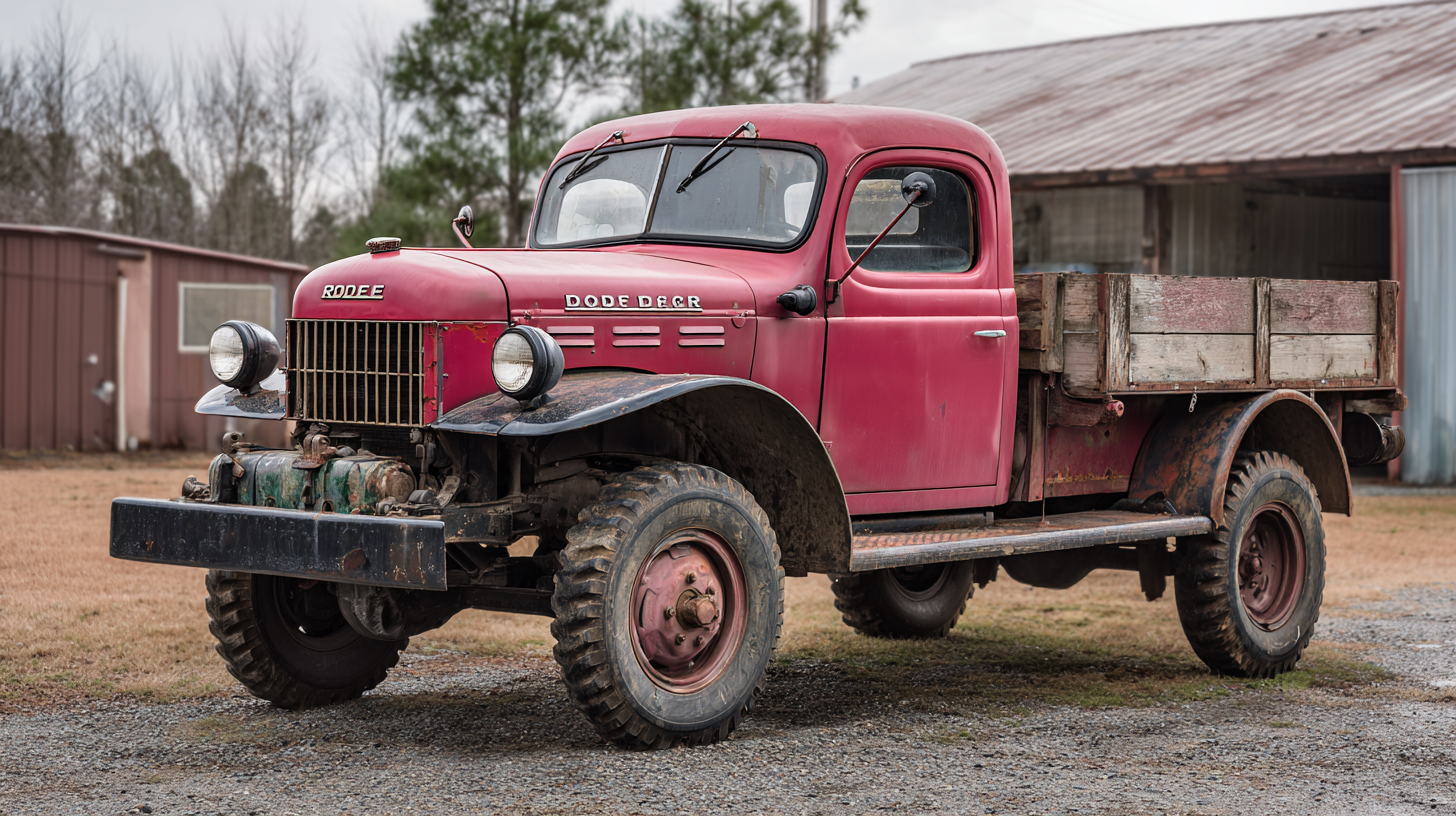
Identifying Your Vintage Dodge Truck Model for Accurate Part Sourcing
Figuring out exactly which vintage Dodge truck you have is a pretty important first step when you're on the hunt for the right parts to restore it. With more and more folks getting into classic car restoration — the industry’s worth over a billion dollars in North America alone — knowing your specific model really helps narrow down your search. Every old Dodge truck might need different parts, whether it’s the engine components, trim, or interior pieces. When you know exactly what model you’re working with, it’s so much easier and faster to find what you need, saving you both time and cash.
And in today’s world, where everyone’s trying to be a bit more eco-friendly, it’s super important to get parts from trusted suppliers. Companies like DEYANG HONGKAI AUTO TRADING CO., LTD. are doing their part by offering quality, refurbished truck parts and following eco-conscious practices. As restoring vintage trucks becomes more popular, thinking about sustainability not only helps the environment but also keeps in line with modern values. Restorers are now more mindful of reducing energy use and greenhouse gases, which is a big step forward. It’s pretty cool to see enthusiasts bringing these classic trucks back to life while still caring about their environmental impact — it’s all about responsible restoration these days.
Reviving History: The Essential Guide to Sourcing Vintage Dodge Truck Parts for Restoration Projects
| Model Year | Model | Part Type | Common Issues | Sourcing Tips |
| 1947 | Dodge B-Series | Body Panels | Rust and corrosion | Check local salvage yards and online marketplaces |
| 1967 | Dodge D-Series | Engine Components | Engine failure | Join dedicated vintage truck forums for recommendations |
| 1975 | Dodge W-Series | Suspension Parts | Worn-out bushings | Look for aftermarket parts specifically for restoration |
| 1989 | Dodge Ram | Interior Components | Faded upholstery | Explore upholstery shops specializing in vintage cars |
Essential Tools and Resources for Vintage Dodge Truck Restoration Projects
Restoring a vintage Dodge truck can be quite the rewarding project, but honestly, it’s all about having the right tools and resources at your side to make it work. First off, tracking down the right parts isn’t just about clicking around online; you’ve got to really know your truck’s exact model and year. Joining online forums or vintage truck communities can be a huge help—they’re full of folks who’ve been there, done that, and often know where to find those hard-to-get components. Places like eBay, Craigslist, and niche vintage parts sellers can be goldmines, but just remember—always check the seller’s reputation before you drop your cash. Also, don’t forget to tap into local car clubs or events—they’re fantastic for swapping or scoring parts. Salvage yards can sometimes surprise you too—they’re full of hidden treasures if you’re willing to dig a little.
Of course, having the right tools makes a world of difference. Basic stuff like wrenches and screwdrivers are must-haves, but as you get deeper into the restoration, you might want to invest in specialized gear — things like a brake bleeder or an engine hoist can really make the job easier. Keeping your workspace tidy and taking good care of your tools isn’t just about neatness; it helps your gear last longer and keeps your workflow smooth.
Oh, and a little tip—snap lots of photos and jot down notes as you go. It might sound simple, but it’s super handy for keeping track of your progress, and down the line, those records could really save you some headaches when fixing or revisiting parts of the project.
Where to Find Reliable Vintage Dodge Truck Parts Suppliers
Starting out on a project to restore a vintage Dodge truck? Finding the right parts is pretty much the most important part — gotta keep that authentic vibe and make sure everything runs smoothly. These days, the market for old-school auto parts is really buzzing, and it’s expected to grow at about 4.5% annually over the next few years. That’s great news, but it also means a bit of a hunt for reliable suppliers can be tricky — you know, a real mix of opportunity and challenge.
A good place to kick things off is online, with marketplaces that focus on vintage and classic car parts — sites like RockAuto or Classic Industries. Don’t forget about local salvage yards, too. Sometimes you find those hidden gems that just need a little love to shine again. And hey, don’t underestimate the power of social media or online forums dedicated to Dodge trucks — those groups can lead you to trusted sellers who’re into vintage parts just as much as you are.
Tips: Always do a quick check on a supplier’s reputation — read reviews and ratings to see if others have had good experiences. Joining a vintage car club can also be a game-changer; members often share tips, contacts, and advice that’s super helpful. And when you’re buying parts, don’t shy away from asking about where they came from — knowing the history (provenance) of your parts is key. It not only keeps your build authentic but can also bump up the truck’s overall value in the end.
Tips for Evaluating the Quality of Vintage Truck Parts
When you're on the hunt for vintage Dodge truck parts to restore your ride, it’s super important to really check the quality of what you’re getting. First off, take a good look at the parts themselves—see if there’s any rust, damage, or signs of wear. These little issues can seriously mess with how well the part works later on. Original parts tend to have their own unique quirks—like specific markings or mold lines—that can help you tell them apart from the fake reproductions. Doing a thorough inspection isn’t just about how they look either; it’s also about figuring out how long they might last, you know?
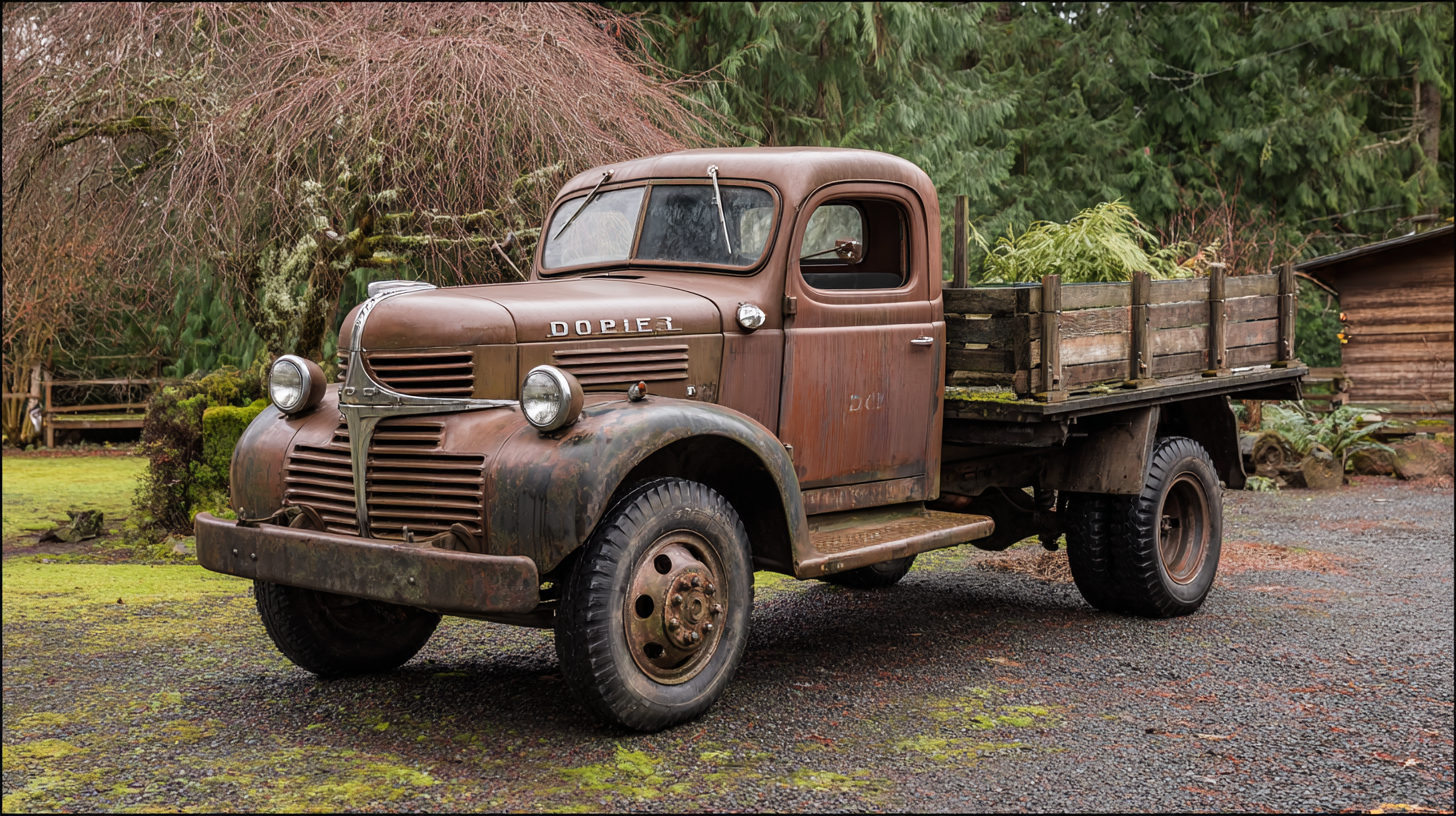
Then, it’s a good idea to ask about the history behind the parts. Trustworthy sellers usually have some documentation or at least a solid story about where the part’s been and how it’s been used. Checking out what other folks in the vintage Dodge community have to say about the seller can give you some peace of mind, too. Don’t forget to hop onto forums or Facebook groups—people there love sharing their experiences and might have useful tips or recommendations for you. Basically, it’s worth going the extra mile to find parts that stay true to your truck’s original vibe. This way, your project stays authentic and functional, and you get to preserve a bit of history while you’re at it.
Negotiating Techniques for Purchasing Vintage Parts at Auctions
Haggling for vintage truck parts at auctions can be a bit of a rollercoaster—challenging, sure, but totally worth it if you're into restoration. The key is to come prepared. Dive into some research first: know exactly what parts you’re after, get a feel for their going rates, and check out different auction houses or online platforms. The more you know, the better your chances of spotting a good deal or snagging rare finds without overpaying.
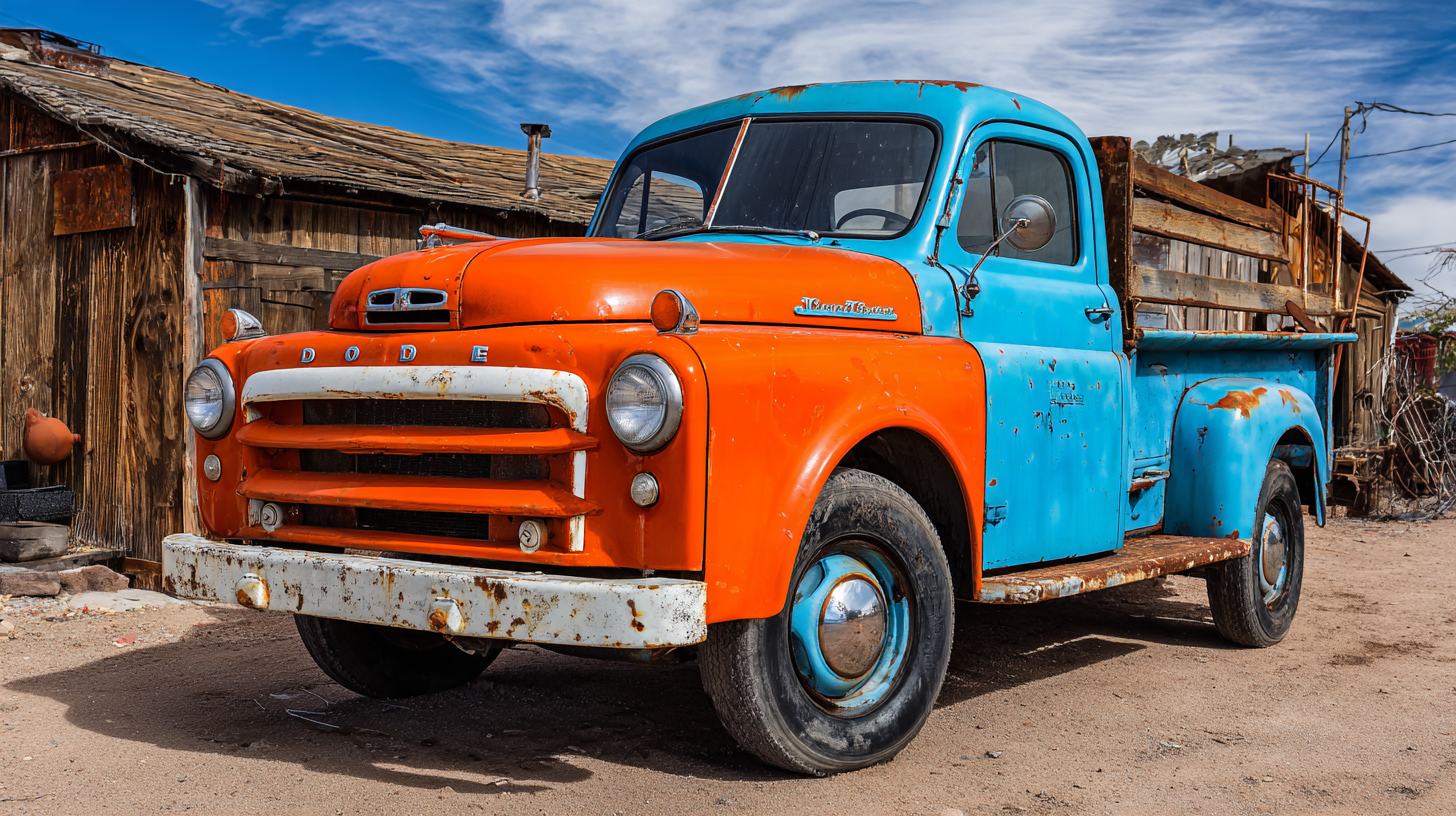
When you finally make it to the auction, stay sharp and patient. Watch how bids go for similar parts, and get a vibe for the room. When it’s your turn, start with a conservative bid—leave some wiggle room for negotiations. If the bidding heats up, don’t get flustered. Keep your cool, back up your offers with what you’ve learned, and if things go beyond your budget, it’s totally okay to step away. Oh, and a little tip—many auctions have a second chance for buying parts after they’re over, so don’t worry if you can’t win the first round. That’s just more chances to score what you need without the pressure of a live bid.
All in all, just stay flexible and patient—it’s all part of the fun when hunting down those vintage gems!
Documenting the Restoration Process: Importance and Methods
Documenting the process of restoring those vintage Dodge trucks? Honestly, it's a game-changer for a bunch of reasons. First off, it helps you build a solid history of the truck's comeback, which is pretty cool to look back on. Plus, having everything written down makes future restorations way smoother — you won’t miss a step. And here's the thing: a detailed record can actually boost the truck’s value, making it more appealing if you ever decide to sell or show it off to collectors. Oh, and don’t forget—keeping track of each step can highlight tricky parts or common pitfalls, giving you a heads-up for next time.
When it comes to actually documenting, I’d say take some sharp photos throughout the process—like, every major stage. Capture all those little details, from taking apart parts to putting everything back together. Also, keeping a list of the materials you use—part numbers, where you got them, how much they cost—can save you a ton of hassle later on. It’s super helpful for sourcing genuine vintage parts and keeping that authentic feel that makes these trucks special.
And here’s a little tip: write down your thoughts in a journal or even a digital document. Jot down the problems you face, how you solve them, and your overall progress. It adds a personal touch and really makes you appreciate the journey. Plus, sharing your story—whether on a blog or social media—can connect you with other vintage vehicle buffs who get what you’re into. It’s all about sharing the love and learning from each other, right?
Reviving History: Vintage Dodge Truck Parts Restoration Data
This chart represents the availability of various categories of vintage Dodge truck parts as a percentage of total sources. It highlights the importance of sourcing specific parts during restoration projects.
FAQS
: You can start by exploring online marketplaces specializing in vintage parts, such as RockAuto and Classic Industries. Local auto salvage yards and engaging in online forums or social media groups focused on Dodge trucks can also lead to trustworthy suppliers.
Examine the physical condition for signs of wear, rust, or damage, and look for unique manufacturing characteristics that indicate originality. Consider the history and provenance of the parts, as well as the seller's reputation within vintage truck communities.
Documenting the restoration creates a detailed history of the vehicle, enhances its value, and serves as a resource for future restorations. It helps pinpoint challenges encountered and solutions found throughout the process.
Take high-quality photographs at various stages, maintain a log of materials used including part numbers and costs, and keep a journal of your thoughts and challenges faced during the restoration.
A well-documented restoration creates a credible history that can attract potential buyers or collectors, showcasing the effort and authenticity of the restoration work.
Always ask for provenance when purchasing parts, and consider verifying the seller’s reputation through customer reviews and community feedback to ensure you are sourcing authentic vintage parts.
Joining vintage car clubs allows members to share valuable insights and connections to reliable parts sources, which can lead to discovering trustworthy suppliers.
Engaging with forums dedicated to Dodge trucks can provide shared experiences and recommendations, helping you find reliable sellers and quality parts.
Sharing your documentation through a blog or social media can connect you with fellow enthusiasts, foster community support, and highlight the effort put into the restoration project.
Prioritize sourcing parts that are original or have good provenance, and always verify their condition and authenticity to enhance both functionality and historical value.
Conclusion
Bringing a classic vehicle like the Vintage Dodge Truck back to life isn’t just about finding parts—it’s a bit of a journey. First off, you’ll want to figure out exactly which model you’re working with. That way, you can track down the right Vintage Dodge Truck Parts without any headache. Having the right tools and resources on hand, like specialized manuals or even scouring online platforms, really makes a difference—trust me, it’s a game-changer for any restoration project. Finding trustworthy suppliers is also super important; nobody wants to chase down shady sources for Vintage Dodge Truck Parts.
When it comes to the parts themselves, you’ve gotta be pretty diligent—inspect and assess every component before buying. And hey, if you’re into auctions, don’t overlook them—they can be gold mines for rare finds. Make sure to keep detailed records of your restoration work too; it’ll help down the line with resale or just keeping track of what you did. With companies like DEYANG HONGKAI AUTO TRADING CO., LTD. focusing on truck trading and upgrades, especially with their innovations in international trade, you’re definitely in good hands when hunting for those Vintage Dodge Truck Parts.